Opening Hours
Monday
10 am–9 pm
Tuesday
10 am–9 pm
Wednesday
10 am–9 pm
Thursday
10 am–9 pm
Friday
10 am–9 pm
Saturday
10 am–9 pm
Sunday
10 am–9 pm
Closed

Receding Gums – Why It Happens & Best Treatment Options
Dec 29, 2025
Introduction
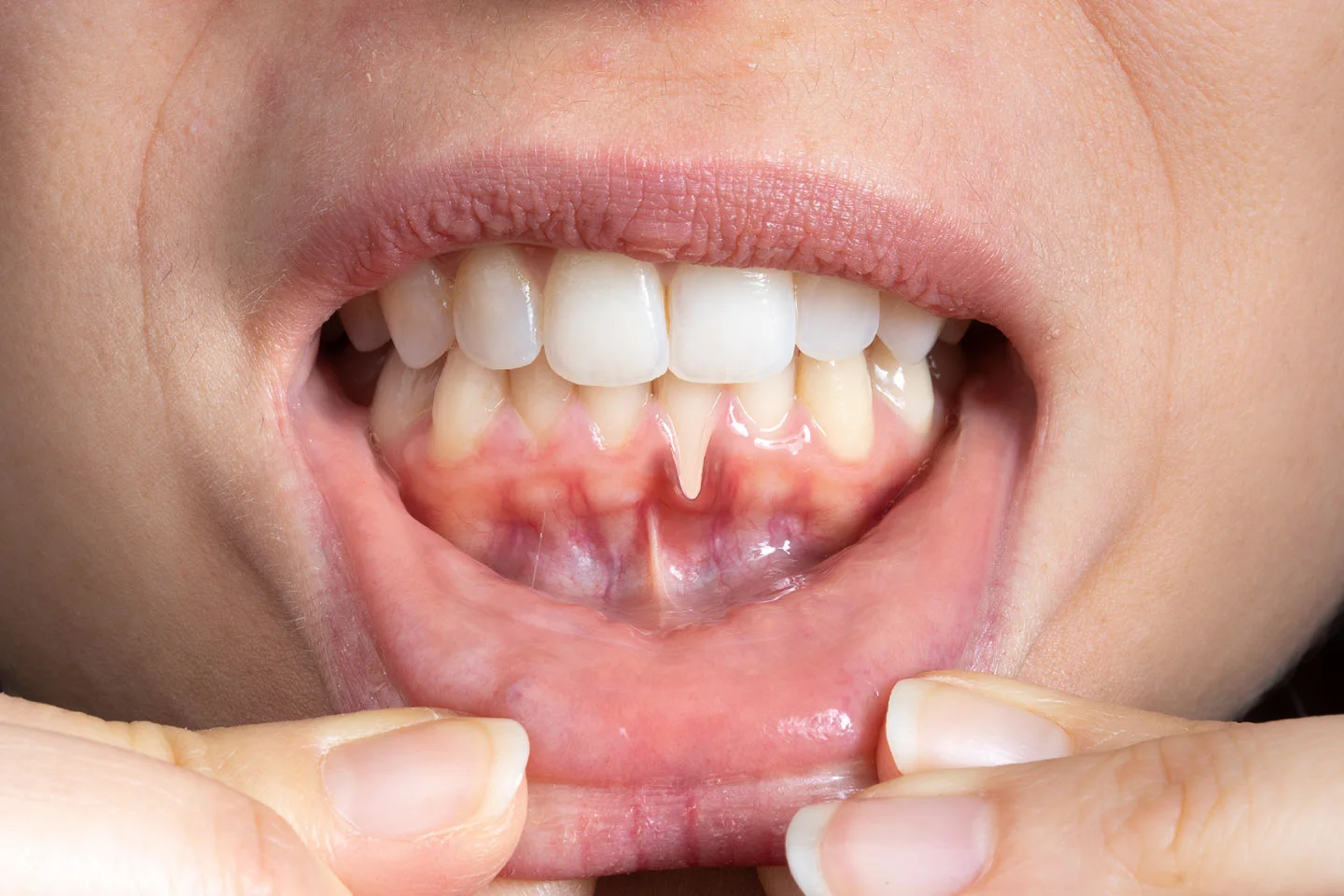
A healthy smile depends not only on strong teeth but also on the gums that support and protect them. Receding gums, or gingival recession, occur when the gum tissue pulls away from the tooth, exposing the root surface. This creates a pathway for sensitivity, infection, decay, and eventually — if ignored — even tooth loss.
Dr. Sahil Bedi, an expert in gum health and preventive care, emphasizes that receding gums are far more than a cosmetic concern. While longer-looking teeth or visible roots may initially cause self-consciousness, the hidden danger lies beneath — loss of supporting structures that hold teeth firmly in place.
Unfortunately, gum recession often develops slowly and painlessly, which means many people do not realize it is happening until the condition becomes advanced. Early identification and professional care are key to avoiding permanent damage.
Why Do Gums Recede?
Gum recession is usually a sign that something is irritating or harming the gums. Dr. Sahil Bedi identifies the most common causes:
Periodontal (Gum) Disease
- Chronic bacterial infection damages both gum tissue and bone.
- Gingivitis → early inflammation
- Periodontitis → leads to irreversible recession
This is one of the leading causes in adults worldwide.
Aggressive Tooth Brushing
- Brushing hard does not clean better.
- Instead, it scrapes away gum tissue and erodes enamel over time.
Poor Oral Hygiene
Inadequate brushing or flossing allows plaque to harden into tartar, irritating gums and causing them to detach.
Genetics
Some individuals naturally have thin or weak gums — making them more vulnerable even with good care.
Tobacco Use
Smoking or chewing tobacco reduces oxygen and blood flow, delaying healing and worsening gum disease.
Hormonal Changes
Fluctuations during:
- Pregnancy
- Puberty
- Menopause
Make gums more sensitive and prone to inflammation.
Teeth Misalignment or Bite Problems
Crowded or protruding teeth cause uneven pressure, pushing gums away.
Teeth Grinding (Bruxism)
Clenching causes micro-trauma to gums and bone, speeding up recession.
Tongue/Lip Piercings
Constant friction from jewelry may wear away gum tissue.
Symptoms of Receding Gums
Many people notice gum recession only when the condition has progressed. Dr. Sahil Bedi advises patients to watch for:
- Teeth appearing “longer”
- Sensitivity to hot, cold, or sweet foods
- Exposed tooth roots
- Gumline notches or grooves
- Bleeding while brushing or flossing
- Loosening of teeth in severe stages
- Persistent bad breath or bad taste
If any of these appear, a dental visit should not be delayed.
Diagnosis: What Happens at the Clinic?
A detailed gum evaluation is essential.
Dr. Sahil Bedi conducts:
- Gum measurements using a periodontal probe
- X-rays to assess bone loss
- Bite and grinding assessment
- Review of lifestyle and hygiene habits
Early detection makes management easier and prevents surgical intervention.
Best Treatment Options for Receding Gums
The right treatment depends on severity. Dr. Sahil Bedi provides a customized plan which may include:
Professional Deep Cleaning
- Scaling and root planing remove plaque and tartar from deep gum pockets.
- Helps gums reattach and stops further damage.
Improved Daily Oral Care
- Soft-bristled toothbrush only
- Gentle circular brushing technique
- Medical toothpaste for sensitivity
- Antimicrobial mouthwash to reduce bacteria
Dr. Sahil Bedi may also provide personalized brushing guidance.
Gum Grafting Surgery
For advanced cases, this restores lost tissue using tissue from the patient’s palate or donor material.
Benefits:
- Protects roots
- Reduces sensitivity
- Improves smile appearance
Pinhole Surgical Technique (Minimally Invasive)
- A small entry point allows repositioning of gum tissue.
- No sutures
- Faster recovery
- Minimal discomfort
- A modern preferred option when suitable.
Bite Adjustment & Orthodontics
- Correcting misalignment prevents further gum stress.
- Night Guards for Grinding
- Protects gums and supporting bone while you sleep.
Lifestyle Modifications
- Quit tobacco
- Balanced diet for gum health
- Stress control for bruxism
Expert Tips by Dr. Sahil Bedi For Preventing Gum Recession
Healthy habits protect your gums long-term:
- Brush gently twice a day
- Floss daily — essential!
- Schedule dental check-ups every 6 months
- Avoid tobacco completely
- Wear a night guard if you grind
- Stay hydrated to support saliva flow
- Calcium + Vitamin C rich foods for gum and bone strength
Prevention is always more comfortable — and more affordable — than treatment later.
FAQs About Receding Gums
1.Can receding gums grow back naturally?
No — lost gum tissue does not regenerate on its own. Treatment is needed.
2.Is gum recession reversible without surgery?
Mild cases can be stabilized and managed. Severe ones require surgical repair.
3.Can braces help?
Yes, they can prevent future recession by fixing bite issues — but they cannot reverse existing tissue loss.
4.Is sensitivity a sign of recession?
Often yes — exposed roots are highly sensitive.
5.When should I visit a dentist?
At the first sign of sensitivity, bleeding gums, or visible recession.
Conclusion
Receding gums are common — but they should never be ignored. Early recognition, professional cleaning, and correcting underlying issues can prevent permanent damage. Modern techniques like gum grafting and pinhole surgery offer effective restoration when needed.
With expert guidance from Dr. Sahil Bedi, patients can protect their gums, improve their smile, and enjoy lifelong oral health with confidence.
Noticed Gum Recession or Tooth Sensitivity?
Book a Consultation With Dr. Sahil Bedi Today.

Dr.Sahil Bedi offers comprehensive dental services for all ages. Exceptional service and healthy smiles are guaranteed!


OVERVIEW
SERVICES
SUPPORT
Dr.Sahil Bedi offers comprehensive dental services for all ages. Exceptional service and healthy smiles are guaranteed!
Dental for All | Website Design by Remedo